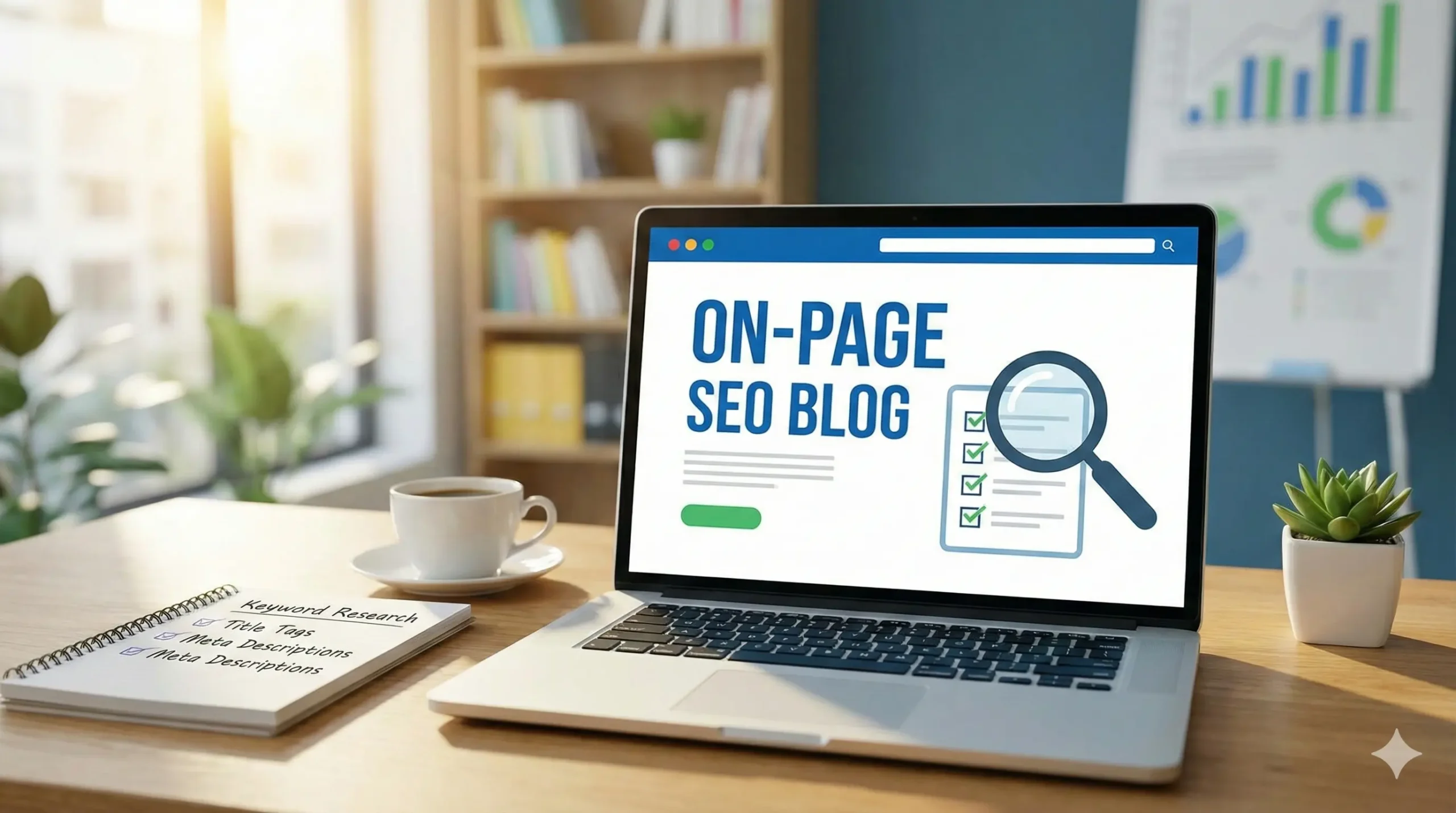
On-page SEO is one of the most important parts of search engine optimization. It focuses on improving elements within your website so search engines and users can clearly understand your content. When done right, it helps your pages rank higher, load faster, and deliver a better experience for visitors.
What is On-Page SEO
On-page SEO refers to optimizing the visible and technical content of a webpage, including headings, keywords, images, links, and structure. It ensures your content answers user questions effectively while helping Google identify the topic and relevance of your page.
Why On-Page SEO Matters
More visibility on search engines
Higher organic traffic
Better user experience
Improved conversions and brand trust
Important On-Page SEO Factors
- Content Quality
Your content should be useful, detailed, and valuable for visitors. Write clearly, stay on-topic, and focus on solving the user’s problem.
- Keyword Placement
Use your main keyword naturally in:
• Page title
• URL
• First paragraph
• Headings (H1, H2)
• Image alt text
• Meta description
Avoid keyword stuffing. Google will penalize it.
- Optimized Headings and Structure
Use H1 for the main title and H2/H3 for sub-headings.
This helps Google and users quickly understand the topic hierarchy.
- Meta Tags
Write attractive titles and descriptions that encourage clicks.
• Title: 50–60 characters
• Description: 150–160 characters
- Internal Linking
Link related pages together to help with crawling and to guide users to more content on your website.
- URL Structure
Short and descriptive URLs perform best.
Example: yoursite.com/on-page-seo-guide
- Image Optimization
Compress images to reduce load time and use alt text to describe the visuals.
Example: “on-page SEO checklist diagram”
- Mobile-Friendly Layout
Most users browse on mobile. If your website doesn’t work well on small screens, rankings drop.
- Page Speed
Fast websites lead to better user experience and higher ranking.
Use caching, image compression, and lightweight design.
- Clear Call-to-Actions
Guide visitors on what to do next such as contacting your business, reading more, or making a purchase.
Conclusion
On-page SEO builds a strong foundation for your website. Search engines reward pages that are well-structured, clearly written, and aligned with user intent. If you focus on quality content, proper keyword placement, faster loading, and a better user experience, your rankings will gradually improve.